


Dunlee is a brand of the Philips Company Group and distributes all products, solutions and services for the third-party imaging business. The product portfolio includes CT, MR and X-ray solutions for OEMs and 3D printed tungsten products.
© 2017 - 2025 Koninklijke Philips N.V. All rights reserved.
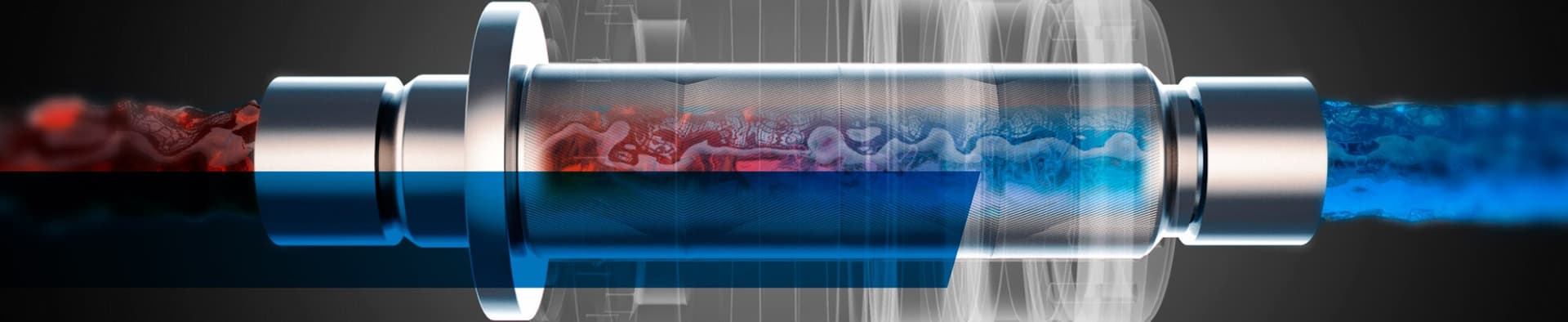
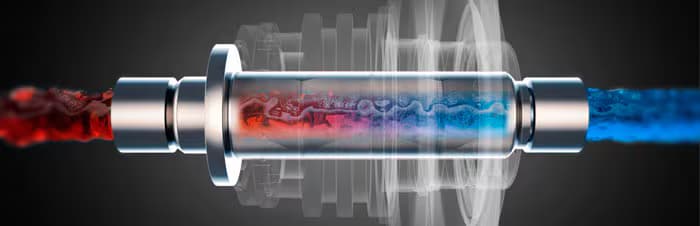
Dunlee’s CoolGlide™ Liquid Metal Bearings are designed and manufactured in Hamburg, Germany, based on knowledge gained from over 30 years of LMB technology development and over 100,000 LMB units sold worldwide.
The invention of Liquid Metal Bearing Technology by the Hamburg R&D team in 1989 had an enormous impact on performance and ease-of-use, becoming the gold standard for CT and Image Guided Therapy systems.
Continued refinements led to the introduction of CoolGlide™, the LMB technology now employed in Dunlee tubes. In comparison to traditional ball bearing tubes, CoolGlide™ LMB tubes are designed for higher throughput, faster workflow, lower noise, higher reliability and lower total cost. Let's compare:
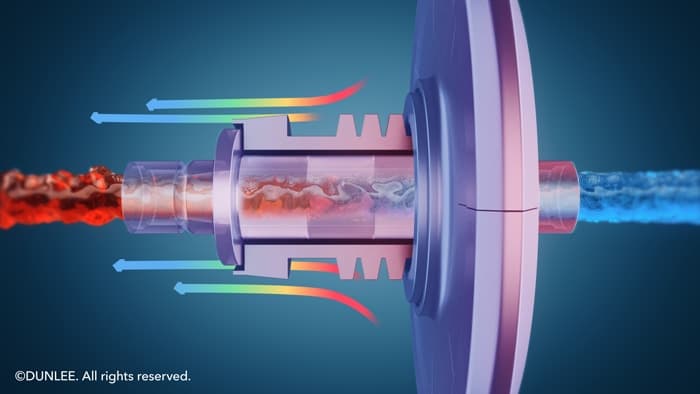
A cooling channel within the bearing shaft* directs cooling fluid to the anode. This design provides much higher heat conduction and cooling capacity than traditional ball bearing tubes.
* Related to the Coolglide LMB design used in Dunlee‘s Xpert bundles. Dunlee offers different LMB designs, all designs provide high throughput / excellent cooling capacity.
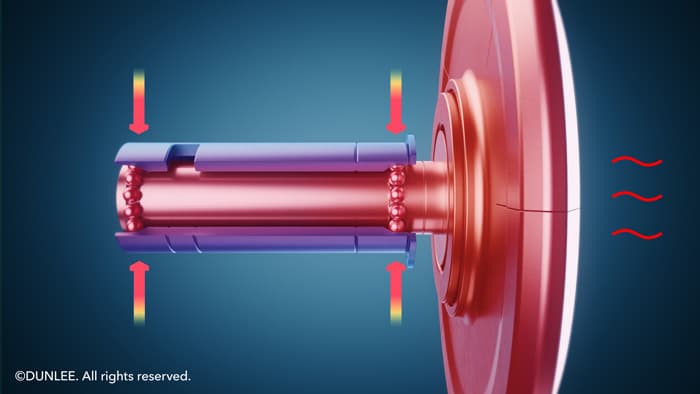
Lower heat conduction from the anode through the bearing as there is no direct cooling through the shaft. In contrast to CoolGlide™ LMB the ball bearing is an insulating barrier against heat conduction. This can result in overheating which requires pauses to wait for the tube to cool between studies, slowing down throughput.
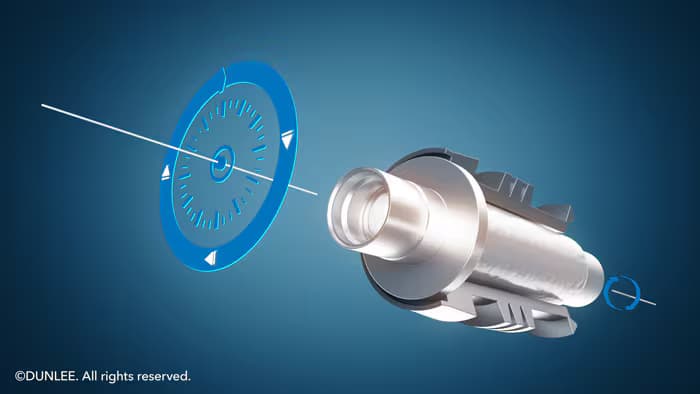
The anode rotates continuously and provides constant high speed through the entire working day without stopping, speeding up workflow and facilitating productivity. There is no preparation time necessary between every scan, as there is for ball bearing tubes.
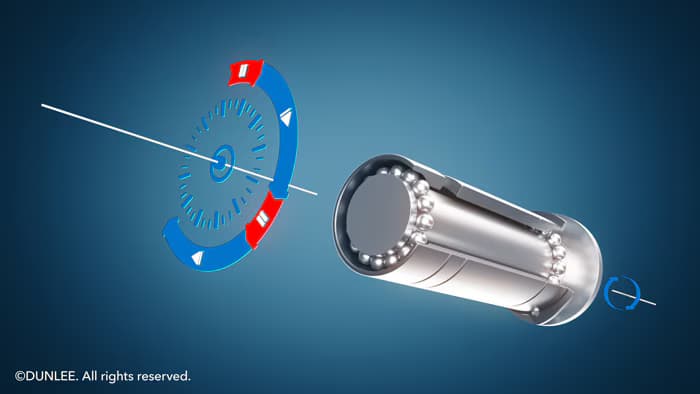
Anode rotation for ball bearing tubes is started prior to a scan and stopped when the scan is finished. This approach requires preparation time for the tube for every scan.
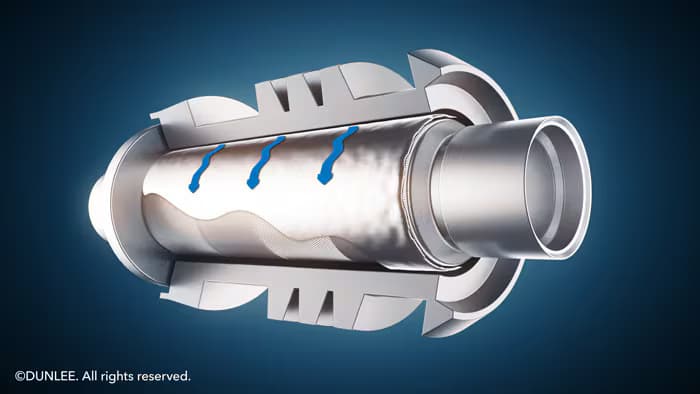
The bearing shaft and sleeve glide on a liquid film. The liquid is pumped to the interior of the bearing by spiral grooves. As there is no direct contact during operation, there‘s virtually no wear.
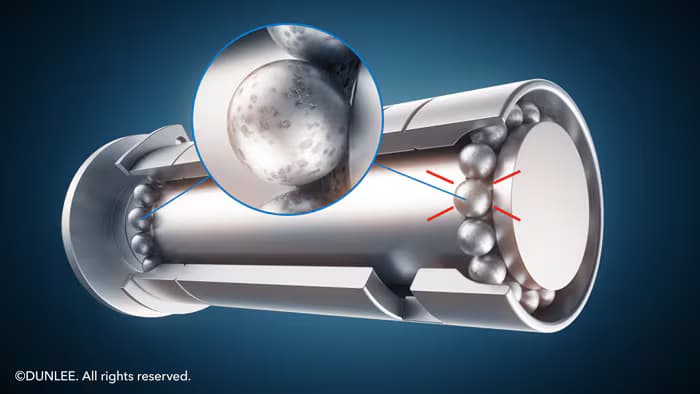
With operation, the lubricant (which is usually silver or lead metal) wears off of the ball and race surfaces, resulting in steel-to-steel contact that leads to binding or jamming. High temperature and high speed will reduce bearing life the most.
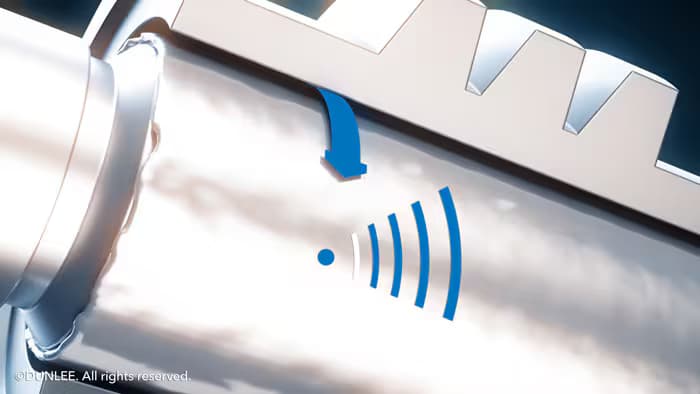
As there is no direct contact , there is no audible bearing noise during operation.
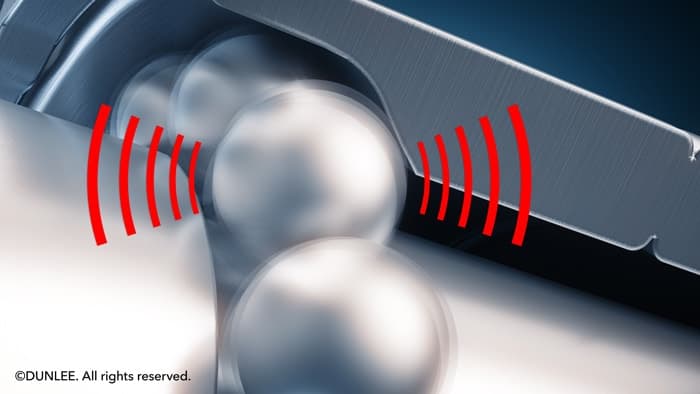
The movement of the ball bearings result in noise and vibrations whenever the CT scanner is used.
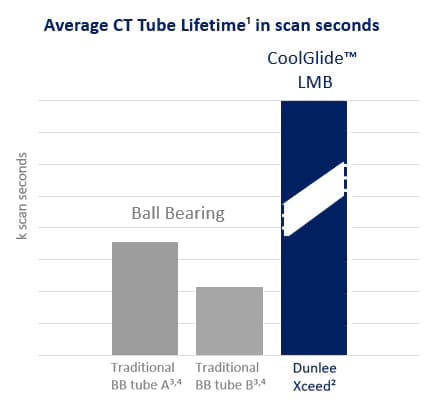
The average lifetime of CoolGlide™ LMB tubes exceeds traditional ball bearing tubes.
The blue bar on the left shows an example of a Dunlee Xceed X-Ray bundle including CoolGlide™ LMB.
Scan Seconds is a measure of the duration of the tube exposures: how much time has the tube been used for.
CT utilization: 150.000 scan seconds p.a.
Example of typical lifetimes of Ball Bearing tubes³ and CoolGlide™ LMB tubes²
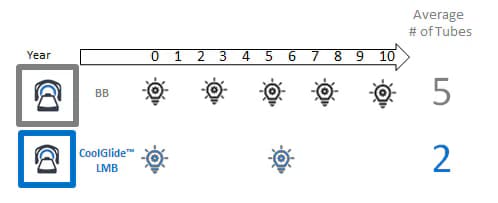
Due to frequent replacement, ball bearing tubes can create not only higher tube material costs, but also
Sources & Remarks
